Whole-Body Cryotherapy:
What Actually Happens When You Step Into the Cold
By Dr. Zeeshan Siddiqui | Cryo SubZero Wellness & Longevity

The information shared in this article is for general educational and wellness purposes only and is not intended to replace medical advice, diagnosis, or treatment. Always consult a qualified healthcare professional regarding any health concerns. Results may vary between individuals. Cryo SubZero offers wellness services and does not provide medical treatment.
Cryotherapy gets talked about a lot. It shows up in athlete recovery programmes, wellness centre menus, and the routines of everyone from professional footballers to busy executives looking for a sharper edge. But the conversation often stays at the surface "it's cold, it's good for you" without explaining the physiology underneath. This article covers the full picture: what cryotherapy is, what the body actually does during a session, what the evidence supports, how wholebody cryotherapy (WBC) differs from localised cryotherapy, and what you should know before booking.
What Is Whole-Body Cryotherapy?
Brief cold-air exposure affects skin temperature and circulation; adverse events and contraindications exist. Research on post-exercise soreness is limited and does not establish treatment of depression or inflammatory disease.
Responses to cold exposure vary. A brief session is not risk-free, and more intense cold does not establish greater benefit.
What Happens Inside Your Body During a Session
Vasoconstriction (0–60 seconds)
Cold exposure temporarily narrows blood vessels near the skin. This temperature response does not establish a treatment effect on inflammation or injury.
Neurochemical Cascade (60–180 seconds)
Cold exposure can activate stress-related nervous-system responses. Changes in signalling chemicals do not establish an antidepressant effect or treatment of inflammatory disease.
Rewarming After a Session
Skin temperature and circulation change during rewarming. These changes do not establish a therapeutic flush or faster tissue repair.
Endorphin and Metabolic Effect (30–60 minutes post)
Many clients report elevated mood and energy in the hour following a session. This is consistent with endorphin release and the norepinephrine spike. Metabolic rate may also temporarily increase as the body generates heat to restore normal temperature.
What the Research Can and Cannot Establish
Brief cold-air exposure affects skin temperature and circulation; adverse events and contraindications exist. Research on post-exercise soreness is limited and does not establish treatment of depression or inflammatory disease.
💪 Muscle Recovery & DOMS
Some small studies report changes in perceived post-exercise soreness, but evidence is limited. Faster return to training or recovery of muscle function is not established for the sessions offered here.
🔥 Inflammation Research
Studies have explored changes in inflammatory markers, but these do not establish treatment of chronic inflammatory disease. Clinical symptoms and treatment decisions require qualified care.
🧠 Mood & Mental Clarity
Small studies have explored mood responses to cold exposure. They do not establish Cryo SubZero sessions as a treatment for depression or anxiety.
😴 Sleep Quality
Sleep outcomes have been explored in small studies, but findings do not establish whole-body cryotherapy as a treatment for insomnia or a reliable way to improve sleep.
⚡ Energy & Alertness
Some users report feeling alert after a session. Experiences vary and do not establish a sustained energy benefit or guarantee that sleep will be unaffected.
🩺 Pain Research
Clinical pain studies use specific populations and protocols. They do not establish Cryo SubZero sessions as treatment for chronic pain or inflammatory disease; follow your treating clinician’s advice.
Whole-Body vs. Localised Cryotherapy: What's the Difference?
Cryo SubZero offers both modalities, and understanding the distinction matters for choosing the right treatment.
| Feature | Whole-Body Cryotherapy | Localised Cryotherapy |
|---|---|---|
| Coverage | Full body systemic response | Targeted area only |
| Experience | Brief cold-air exposure across the body | Cold exposure directed to a specific area |
| Session duration | 2–3 minutes | 5–10 minutes per area |
| Neurochemical response | Significant (full systemic) | Limited to treated area |
| Contraindication sensitivity | Higher full body exposure | Lower localised application |
Who Should Consider Cryotherapy
Some people choose cryotherapy as an optional wellness experience or for perceived post-exercise comfort. It is not an established treatment for inflammatory disease, chronic pain, mental health conditions or surgical recovery. Suitability screening is needed before a session.
What to Expect at Your Session
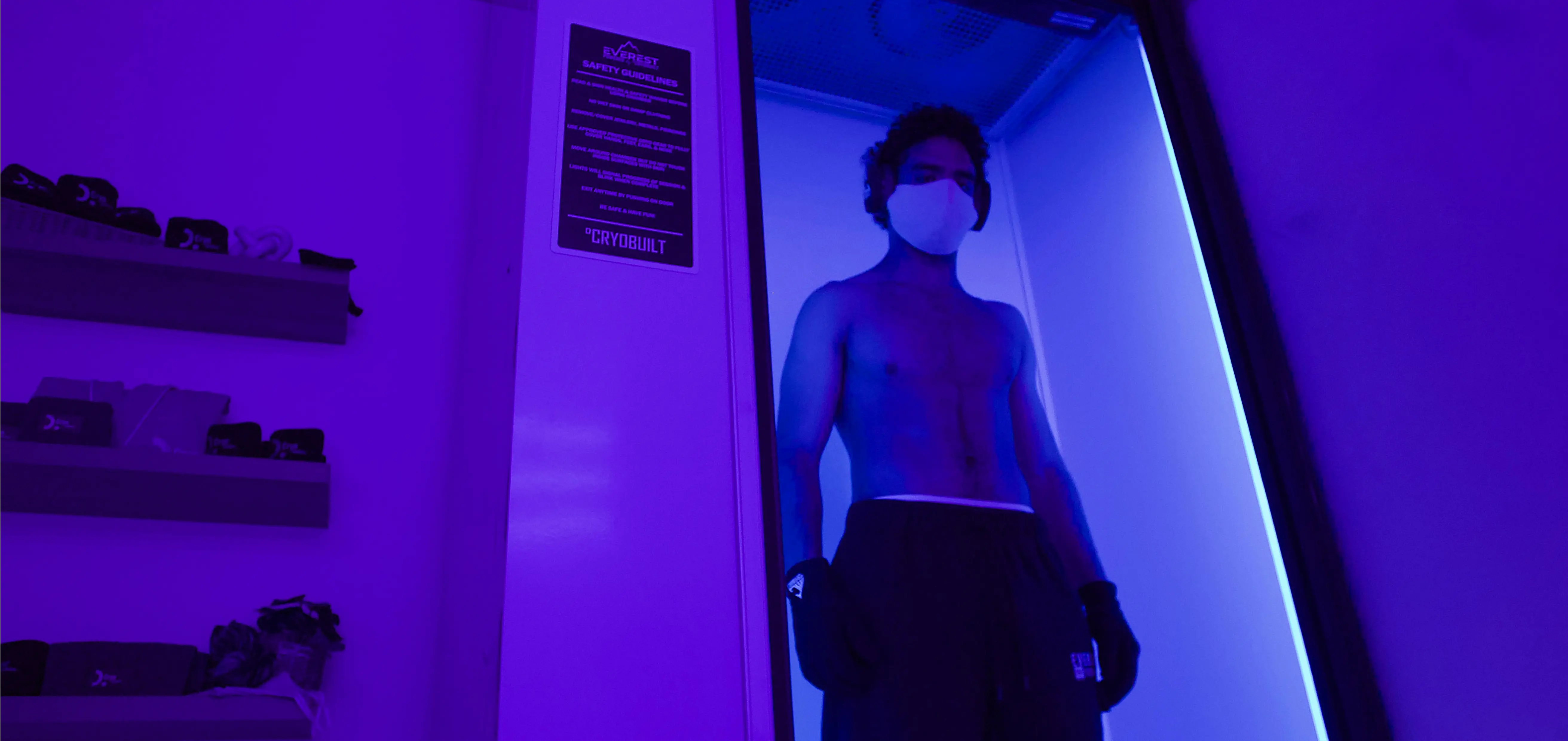
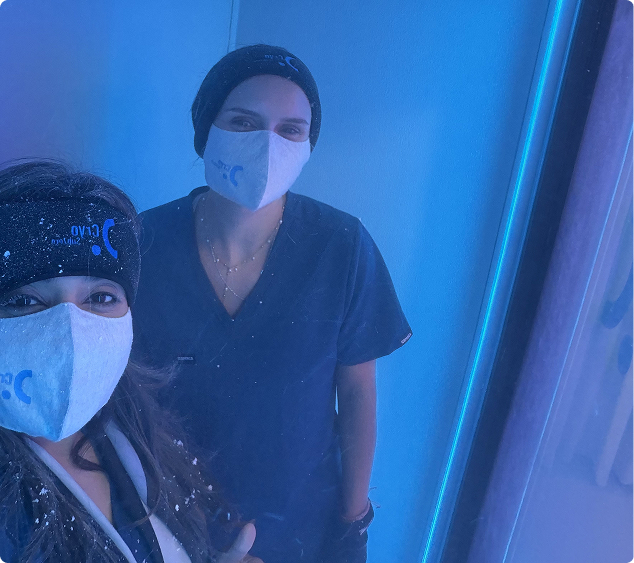
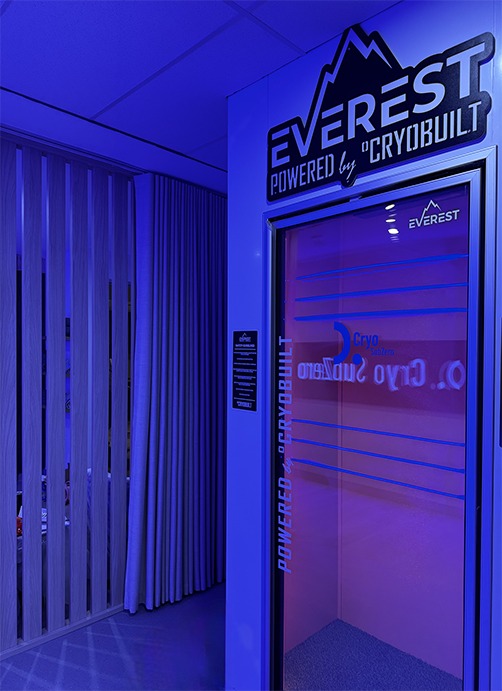
First-timers commonly have two concerns: How cold does it actually feel? and Can I handle it? The honest answer is that the cold is intense for the first 30-45 seconds, then becomes more manageable as the body adjusts. Protective gear - gloves, socks, and footwear - is provided. The chamber is open-top, meaning you maintain eye contact with the therapist and can exit at any time. Most people describe the experience as invigorating rather than painful. The sensation is dry cold, not the wet, biting cold of an ice bath. The 2-3 minutes pass quickly, and the post-session warmth and energy lift are immediate for most clients.
How Often Should You Go?
There is no established wellness session schedule for treating pain, inflammation or mood conditions. Frequency should reflect individual suitability and the provider’s protocol, and should not be based on an expectation of treating disease.
The Honest Assessment
Brief cold-air exposure affects skin temperature and circulation; adverse events and contraindications exist. Research on post-exercise soreness is limited and does not establish treatment of depression or inflammatory disease. Prioritise appropriate training, rest and clinical care rather than using repeated sessions to test whether a medical condition improves.